


Positive Behaviour Support (PBS) is all that we do – and that’s why we do it better. A clear, focused approach means better consistency and quality.
We start by understanding the why behind behaviour, identifying triggers, needs and goals. From there, we develop practical, evidence-informed behaviour support plans that focus on building skills, increasing independence and improving everyday quality of life.
Everything we do is underpinned by our commitment to clinical excellence and informed by the connections our community-based practitioners form with participants and their families.
Evidence-informed strategies
Behaviour Support Practitioners need a clear understanding of why behaviours of concern occur and the factors influencing them, as well as the participant’s strengths, priorities and goals. To do this, our practitioners use a combination of behaviour assessment tools to create comprehensive, evidence-informed strategies. While no single assessment tool provides a complete picture, practitioners gather information from multiple sources. This may involve:
Interviews with the participant and their family
Interviews include discussions with carers, educators and support workers, a review of existing reports, and direct observations in home, school or community settings.
From this information, practitioners have clarity on the participant’s strengths and support requirements, and this evidence-based approach is what forms a highly effective PBS plan. It is also consistent with the NDIS Commission’s Positive Behaviour Support Capability Framework, which highlights the importance of a comprehensive, person-centred assessment to inform safe and effective support.
Read more…
Show less.
Indirect assessment tools
Indirect assessment tools are used to collect information about participants without directly observing their behaviour.
Practitioners learn about the participant’s history, communication, routines, relationships and the contexts where behaviours are most likely to occur.
Read more…
Show less.
Interviews and Structured Conversations
One of the first steps in an indirect assessment is meeting with the participant and their closest contacts. Our practitioners conduct structured conversations with them and, where appropriate, with the participant, to form a detailed account of their daily life.
These discussions explore areas such as:
- Communication style and preferences
- Daily routines and surroundings
- Strengths, interests and goals
- Factors that appear to trigger or follow behaviours of concern
- Present support strategies and their effectiveness
The goal is to recognise behaviours of concern in relation to the participant’s everyday experiences, not just viewing incidents in isolation.
Read more…
Show less.
Record review
We review existing documentation on the participant’s history and areas requiring support.
Looking at previous records can reveal patterns and important contextual information that would be difficult or impossible to identify through current observations alone. Examining these records also allows practitioners to see which strategies have been implemented previously, how effective they were and whether additional approaches may be required, instead of repeating interventions that have already proved ineffective.
Read more…
Show less.
Rating scales and questionnaires
Practitioners can collect information in a standardised way across individuals and contexts, which allows them to identify common patterns and themes.
Importantly, these are not diagnostic tools and do not provide a definitive explanation as to why a behaviour occurs. Instead, they are used to produce hypotheses about the potential function of a behaviour based on the responses of people who know the participant well. These are then explored further through direct observation and other assessment methods.
Read more…
Show less.
Direct assessment tools
Direct assessment tools enable practitioners to observe participants’ behaviour in the natural context of their lives, such as home, school, workplace, supported accommodation or community settings.
In these different circumstances, practitioners can gain a better understanding of the situations, interactions and environmental factors associated with these behaviours of concern.
Read more…
Show less.
ABC Data Collection
ABC data collection is one of the most commonly used behaviour assessment tools in Positive Behaviour Support.
It records three key parts of an event:
- Antecedent – what happened immediately before the behaviour
- Behaviour – a clear, objective description of exactly what the participant did
- Consequence – what happened immediately after the behaviour
By looking at these three aspects together, practitioners can identify patterns and gain a sense of what might be influencing or maintaining a behaviour.
Families, carers and support workers can also assist with the ABC data collection in between practitioner visits. With support and training from the practitioner, they record observations in a consistent way that provides useful information across different settings and times of the day.
For example, a parent might have said to the child, ‘stop playing a game and do homework’ before the behaviour occurred (antecedent). The child then threw their school bag and screamed (this is the behaviour). The homework was delayed while the parent calmed the situation (consequence). When similar patterns are recorded over time, the practitioner can identify common triggers and put together strategies that better support the participant.
Read more…
Show less.
Scatter plots
Scatter plots identify longer-term patterns by recording when and where behaviours occur.
A scatter plot could show that a participant regularly becomes distressed during the last lesson of the school day or after arriving home in the afternoon. Recognising these recurring patterns allows the practitioner to investigate possible contributing factors, like fatigue or changes in routine, and establish strategies to support the participant during those times.
Read more…
Show less.
Descriptive observation and narrative recording
Alongside structured assessment tools, behaviour support practitioners also complete descriptive observations, which are sometimes referred to as ‘narrative recordings.’
These written observations provide detailed accounts of what the practitioner sees before, during and after a participant’s behaviour, including the surrounding environment, their interactions and their responses.
Narrative recording captures the broader context of an event and identifies subtle factors that influence that behaviour, such as changes in communication, body language, sensory experiences or social interactions.
Read more…
Show less.
Ethical decision-making

Expert clinical panels
Our practitioners are experienced in supporting individuals with complex needs, including cases where restrictive practices may be required under strict NDIS regulations. Any Behaviour Support Plan that includes restrictive practices is reviewed by an expert internal panel to ensure robust clinical reasoning and strong safeguards for participants.

Strong knowledge of NDIS compliance
We understand the requirements of the NDIS Quality and Safeguards Commission, ensuring all assessments, plans and reporting meet regulatory standards.

Person-centred
Our plans and strategies are personalised and informed by the participant’s interests and goals. If restrictive practices are needed, it is always as a last resort. Our focus remains on safety, dignity and reducing restrictions through proactive, skill-building strategies.

Practical, evidence-based plans
Our behaviour support plans are grounded in data, clear clinical reasoning and best-practice frameworks, providing confidence for families, providers and support teams.

Collaborative support for teams and families
We work closely with everyone involved to ensure strategies are practical, understood and consistently applied across environments.
We’re part of your community
Our practitioners are always local to you. This means participants are supported by someone who understands the environment where they live, study and work.
We’re proud to be part of your community, and value each participant’s culture, diversity, and beliefs.

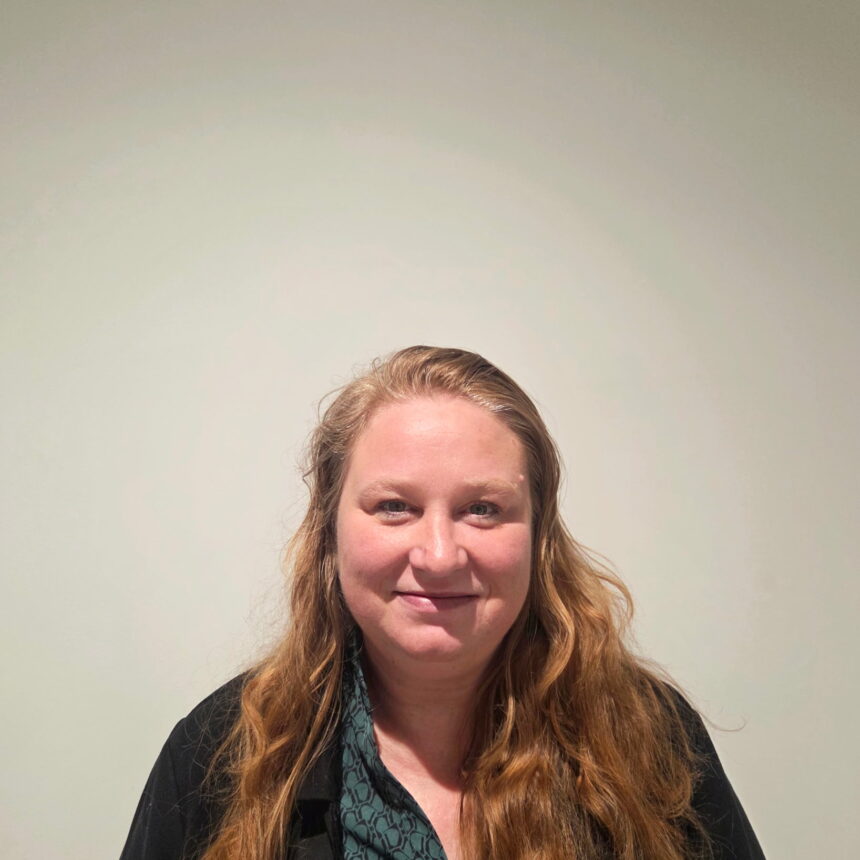
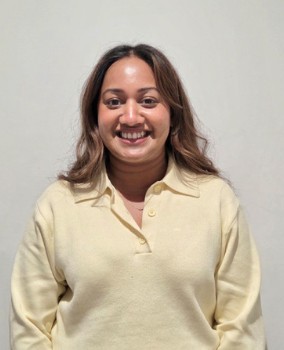
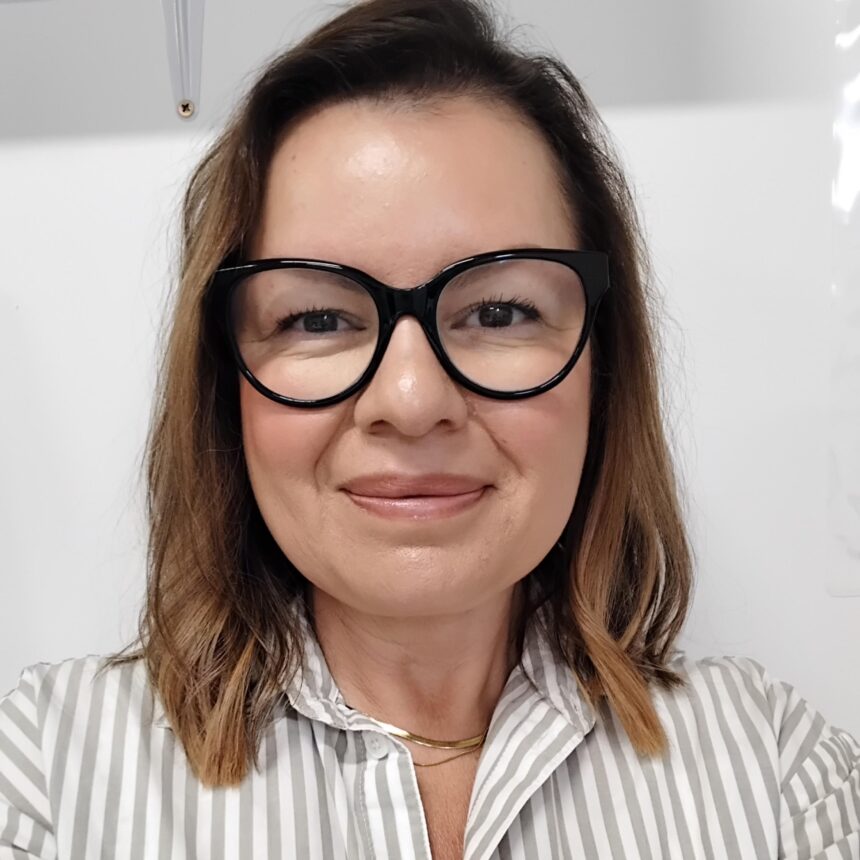
Our experienced practitioners
We work across metro and regional New South Wales, Queensland, and Victoria. Our team brings a wide spectrum of experience and diversity to their work, which means we’re able to provide local, specialised and accessible positive behaviour support within these communities.


-
Renee Wu
-
Britt Couchman
-
Udara Gunadasa
-
Isela Bridges
-
Katherine Hansord
-
Anne Coutts



Get the right support from
an experienced team
If you would like to learn more about our PBS services or discuss how our practitioners can support you or someone you care for, speak to our team today.